Real-Time PaymentSettlement EngineAt Global Scale.
Live Cluster Node 04 · Frankfurt & Singapore
Legacy batch architecture was collapsing under peak institutional traffic spikes.
Apex Payments operated a centralized monolith with synchronous database locks. As institutional transaction volume surged past 10,000 requests per second, settlement queues experienced p99 latency spikes exceeding 850ms, triggering timeout cascades.
Engineering leadership required an uncompromising re-architecture: transition to an event-driven distributed ledger capable of sub-15ms settlements, automated ledger reconciliation, and multi-region disaster recovery.
Re-platforming onto an asynchronous event-sourced streaming backbone.
Core Ingestion & Partitioning
Architected a zero-copy ingestion layer in Node.js & TypeScript, partitioning incoming transaction streams by institutional tenant ID.
Memory-First Settlement Ledger
Implemented distributed Redis cluster state machines with write-ahead logs, ensuring ledger mutations execute in sub-millisecond memory intervals.
Asynchronous Persistence & Audit
De-coupled long-term durability by committing batches to PostgreSQL partitioned tables with cryptographic SHA-256 integrity trees.
Deterministic State Transitions
Every transaction produces an immutable event record, eliminating race conditions during simultaneous deposit and withdrawal events.
Multi-Region Hot Failover
Active-active deployment across AWS Frankfurt and Singapore with real-time cross-region state replication under 35ms.
Real-Time Fraud Telemetry
In-stream heuristic anomaly detection flags suspicious settlement patterns in under 4 milliseconds.
Numbers don't lie.
“Codedway re-architected our core transaction pipeline in 6 months without a single minute of downtime. Their technical precision is unmatched.”
Technical Deep Dive & System Architecture
Distributed Architecture Overview
The core objective of the Apex Payments project was to transition from synchronous locking mechanisms to an asynchronous, event-driven ledger.
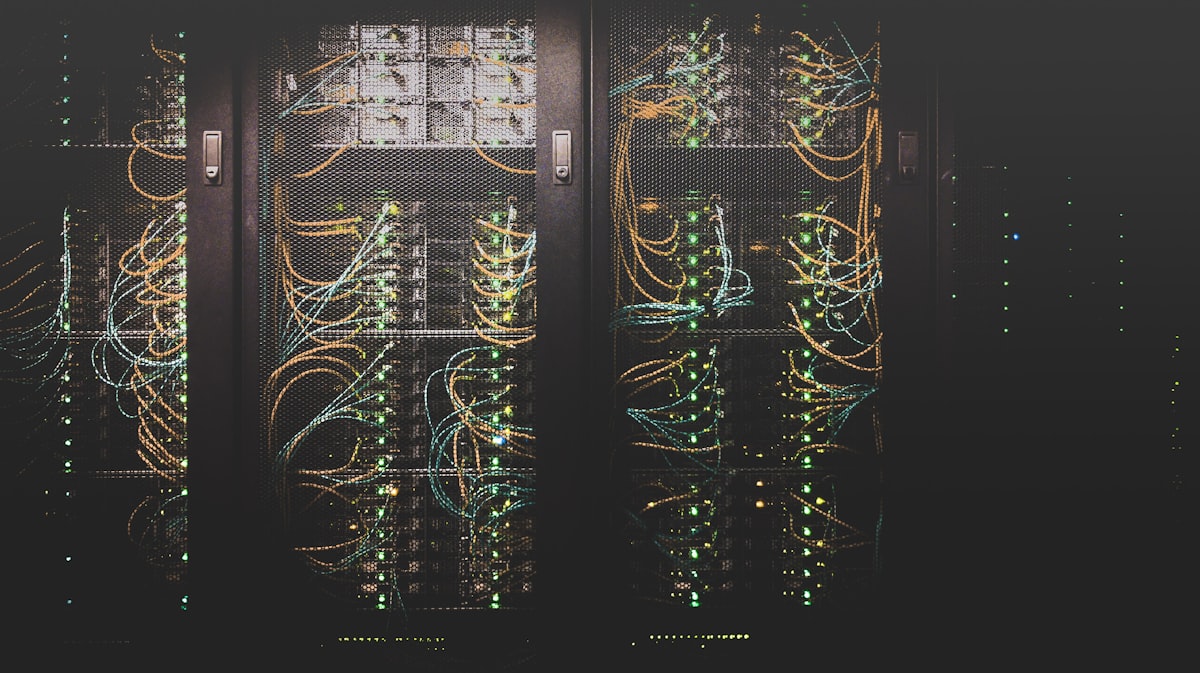
Key Architectural Invariants
- Idempotency Keys: Every inbound request is assigned a unique UUIDv7 idempotency token cached in distributed Redis with a 24-hour expiration. Duplicate submissions return the cached response without re-executing ledger logic.
- Partitioned Concurrency: Transaction queues are partitioned by institutional account ID. Events for account A and account B are processed concurrently across separate worker pods, while events for account A are guaranteed strict FIFO ordering.
- Zero-Downtime Migration: We utilized a shadow-pipeline deployment strategy where new event processors consumed live mirror streams for 30 days before cutover.
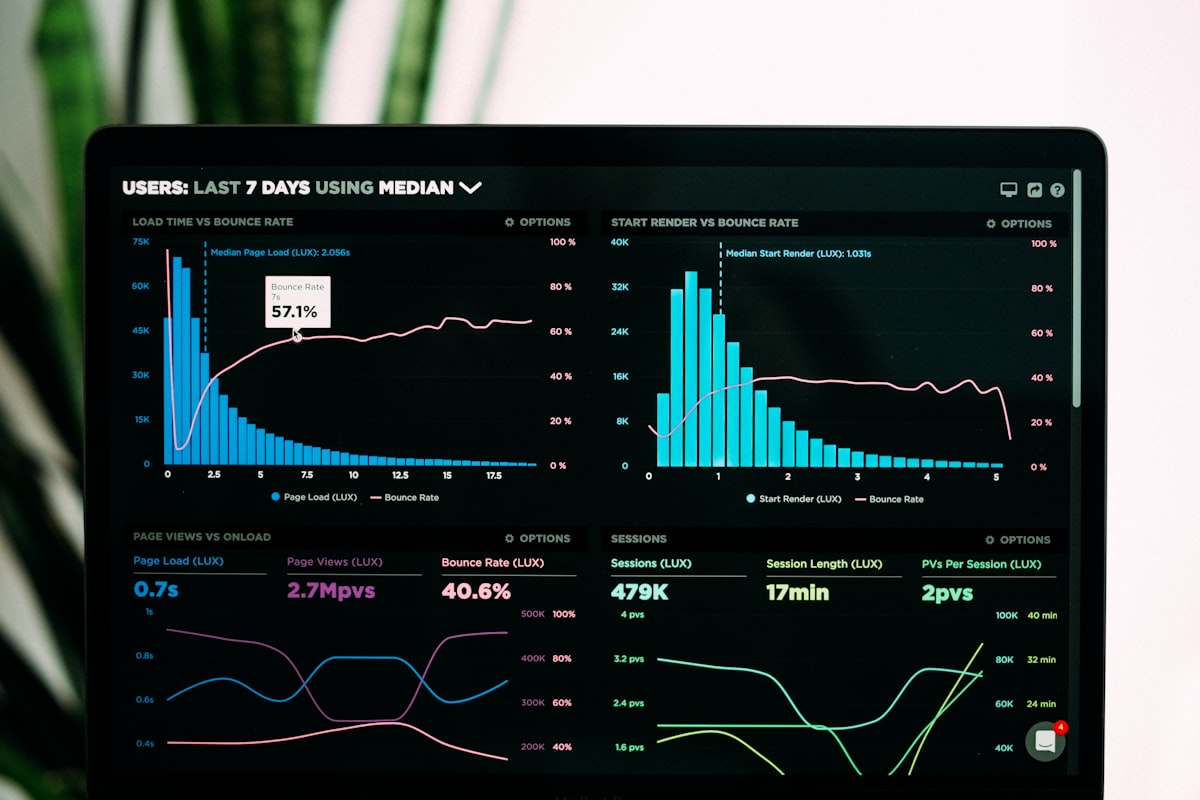
Developer Reference: How to Add a New Case Study
To add a new Case Study to Codedway, follow these guidelines:
- Create an MDX file inside
content/case-studies/named after your slug (e.g.your-project-slug.mdx). - Include the full frontmatter schema:
client,industry,services,resultsstatusBadge,indexNumber,monogram,order,categoryBadge,filterCategoriessubtitle,metrics(array of label/value pairs)heroTitle(line1,line2,accent)metadataStrip(client,timeline,role)telemetry(screen,latency,status,loc,enc,title,subtitle)problem(headline,paragraphs,stats)approach(headline,phases)features(title,desc,tech)resultsData(stats,quote)
- Embed Visuals:
- Save your architecture diagrams and screenshots into
public/images/. - Embed using
.
- Save your architecture diagrams and screenshots into
- Deploy:
- The Case Studies index (
/case-studies) and detail pages (/case-studies/[slug]) automatically regenerate and index your new case study statically!
- The Case Studies index (
Enterprise Fintech Engine — High-Throughput Settlement & Cloud Scale
Next.js 14 · TypeScript · Node.jsHave a project? Let's scope it.
We'll tell you honestly if we're the right fit.