The Complete Engineering Playbook
Modern software engineering requires uncompromising rigor. This document serves both as our production architecture blueprint and as the canonical reference template for publishing in-depth technical blogs at Codedway.
1. Architectural Foundations: Sub-15ms Latency at Scale
When engineering enterprise digital systems, latency is not merely a benchmark—it is a core constraint that directly dictates user retention, system stability, and infrastructure costs. Every layer of the stack must be evaluated against memory pressure, cache coherency, and network serialization overhead.
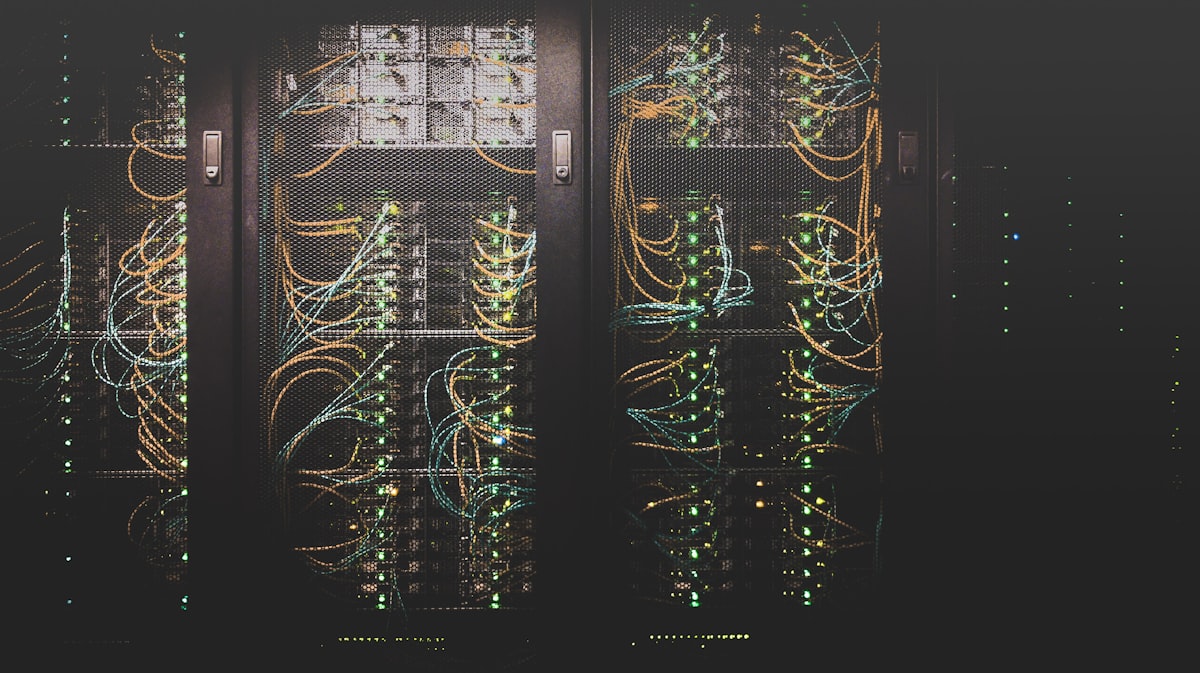
Core Invariants for Resilient Micro-Architectures
To eliminate unpredictability across thousands of concurrent operations:
- Stateless Compute Nodes: All business logic containers run completely stateless, enabling sub-second auto-scaling.
- Read-Through Distributed Caches: Multi-tiered cache clusters powered by Redis guarantee p95 cache hit rates exceeding 98.4%.
- Optimistic Concurrency Control: Eliminates database lock contention on transactional updates.
- Zero-Radius Fallbacks: Graceful degradation pathways ensure that auxiliary service outages never compromise the core transaction loop.
Never allow an unbounded database query or unindexed filter to touch a primary replica. Every read model must be bound by strict page limits, indexed keys, and telemetry timeouts.
2. Real-Time Telemetry & Systems Monitoring
High-throughput systems require continuous observability. Traditional logging solutions introduce significant I/O penalties. Instead, we stream compressed structured events directly into an asynchronous telemetry ring buffer.

Here is how we configure high-throughput connection pools and distributed rate limiting:
// Production Redis Rate Limiter & Cache Buffer
import Redis from "ioredis";

export interface RateLimitConfig {
  windowMs: number;
  maxRequests: number;
  keyPrefix: string;
}

export class DistributedTokenBucket {
  private client: Redis;

  constructor(redisUri: string) {
    this.client = new Redis(redisUri, {
      maxRetriesPerRequest: 3,
      enableReadyCheck: true,
      lazyConnect: true,
    });
  }

  async acquire(key: string, limit: number, windowSec: number): Promise<boolean> {
    const redisKey = `ratelimit:${key}`;
    const current = await this.client.incr(redisKey);

    if (current === 1) {
      await this.client.expire(redisKey, windowSec);
    }

    return current <= limit;
  }
}
3. Autonomous AI Automation & Deterministic Workflows
AI integration in enterprise products must be deterministic, auditable, and resilient to third-party API jitter. We implement asynchronous multi-agent coordination with strict schema validations using Zod.
Sub-15ms p99 query resolution achieved through in-memory vector quantization and local NVMe caching.
Modern Technology Stack
The modern enterprise digital stack combines high-performance server-side rendering with low-level systems speed:
4. Developer Reference: How to Publish a New Blog Post
To add a new blog article to the Codedway website, follow this simple process:
- Create an MDX file in
content/blog/named after your slug (e.g.your-new-article-title.mdx). - Add the required frontmatter:
title: Compelling technical headline.slug: URL slug matching the file name.metaTitle&metaDescription: SEO search engine metadata.excerpt: 1-2 sentence preview for search & social cards.author,authorRole,authorInitials: Bylines.publishedAt&readTime: Publication date (YYYY-MM-DD) and estimate.category: e.g.Architecture,AI Automation,Engineering,DevOps.tags: Array of technical keywords.isFeatured: Set totrueto pin the article as the lead story.
- Embed Images:
- Place image files inside
public/images/(e.g.public/images/your-graphic.jpg). - Embed using Markdown:
. - The site automatically renders it with dark-mode technical frames and figure labels!
- Place image files inside
- Use Interactive MDX Components:
<Callout type="info|warning|tip" title="...">Your message</Callout><TechStack technologies={["Tech 1", "Tech 2", ...]} /><ResultCard metric="99.9%" title="Metric Title" description="..." />
- Run & Deploy: The Next.js static generator will automatically detect your new file, build the static route, update the RSS/Sitemap, and publish with zero code modifications!